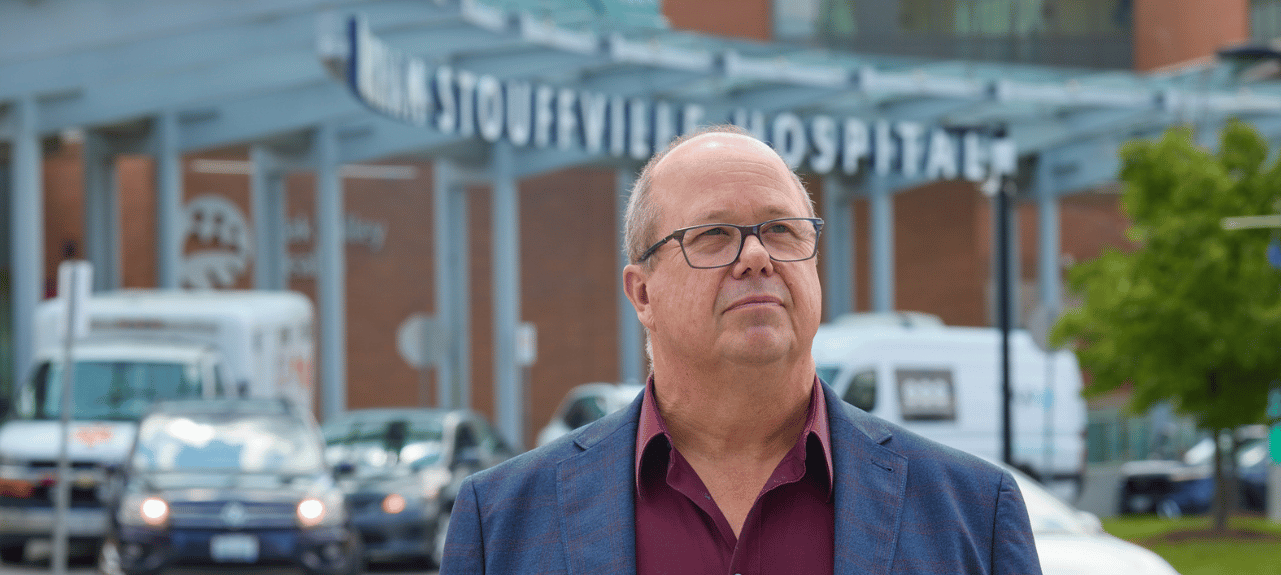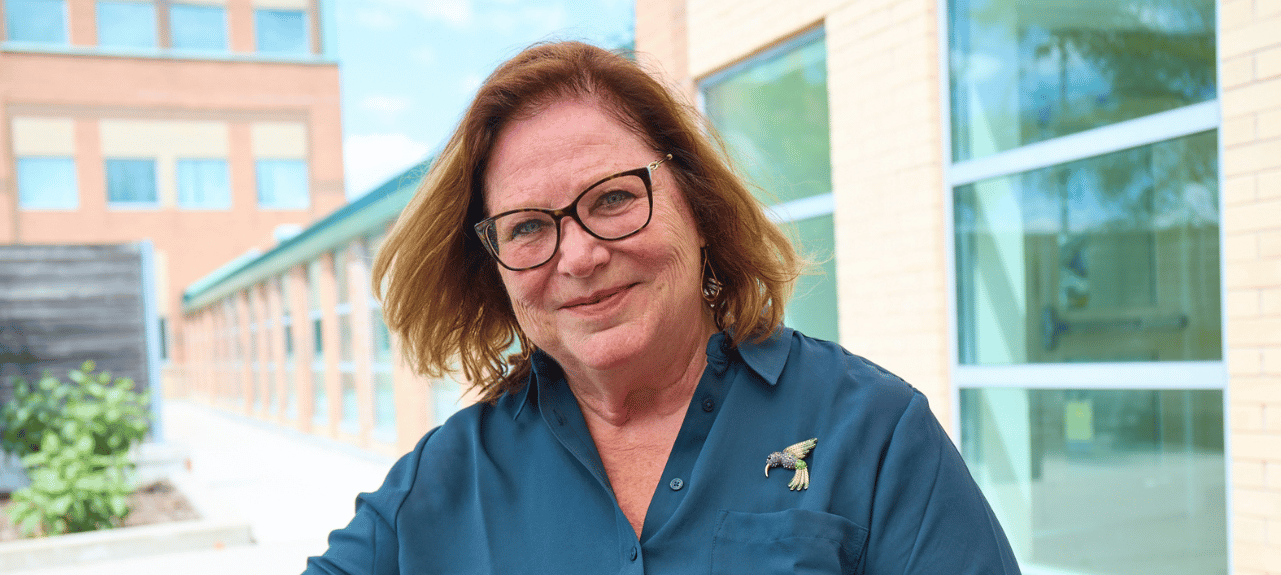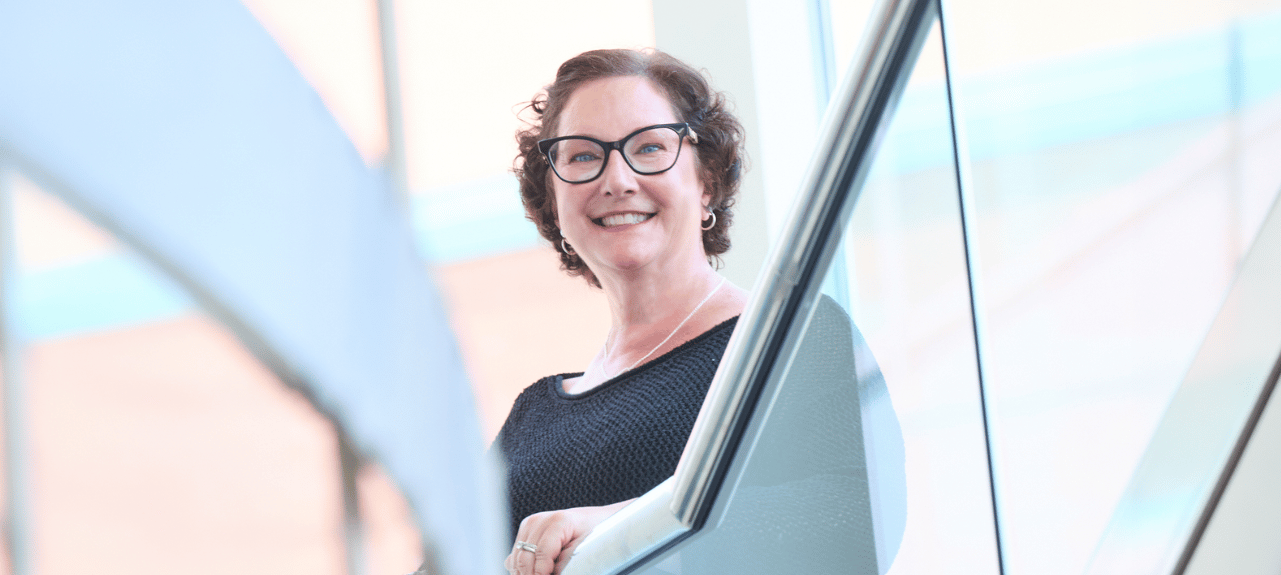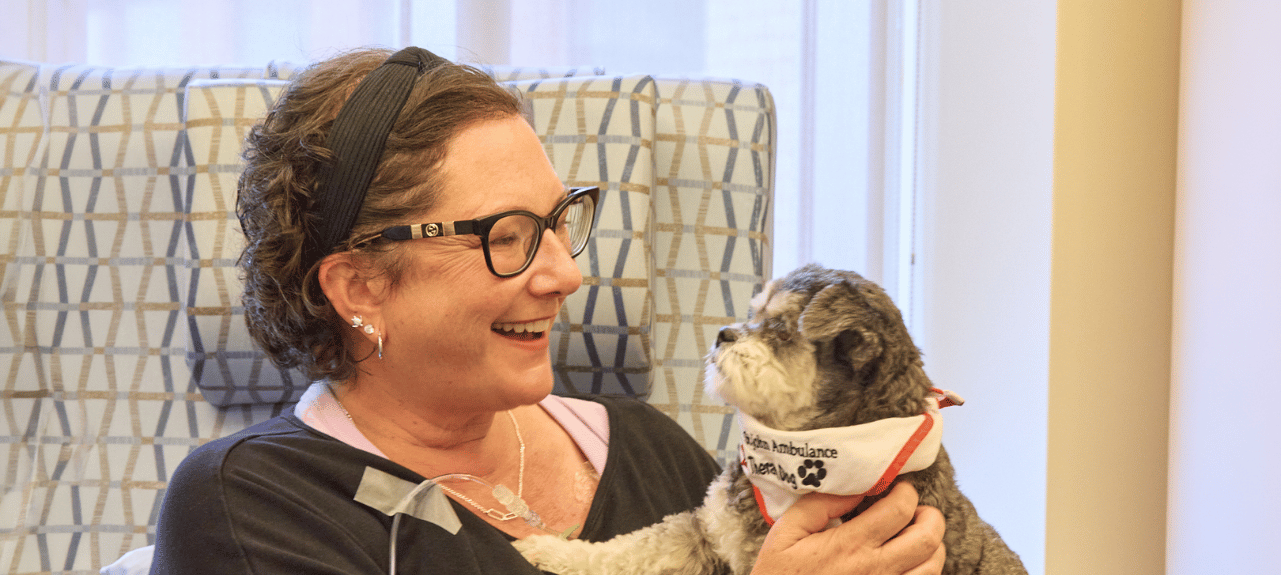
A woman seated in a patterned chair smiles while holding a small grey therapy dog wearing a St. John Ambulance bandana.

How to save a life

A routine cancer screening provided the early detection Julie Atkinson needed.
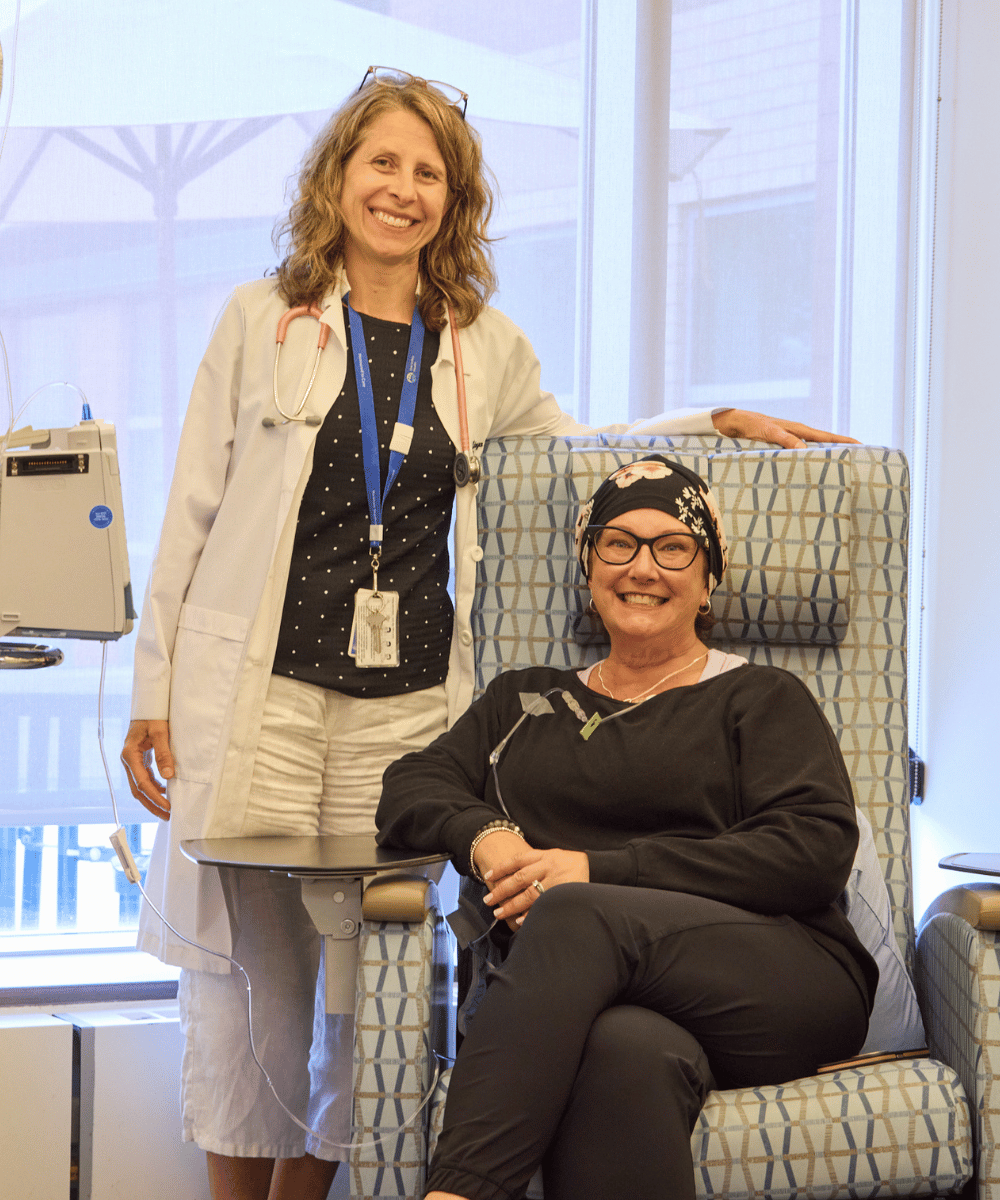
When Julie Atkinson turned 50 two years ago, she knew the milestone came with a set of instructions, so to speak: schedule a mammogram and a colonoscopy. And while some people avoid these routine cancer screenings — possibly due to misconceptions and fear — Julie, a Child Life Specialist who had worked at Oak Valley Health’s Markham Stouffville Hospital (MSH) for 29 years, was all in.

“It’s just worth getting all the checks you can, so you can be preventative if there is anything,” she says.

In February 2025, Julie, who also lives in Stouffville, went into her mammogram appointment at MSH with no concerns. However, the next morning, the hospital called to request that she come in for a follow-up ultrasound. When the radiologist saw something suspicious, she recommended a breast biopsy.

Dr. Crystal Pallister, a general surgeon at MSH’s Gale & Graham Wright Breast Health Centre, brought her in soon after to share the news: Julie, it turned out, had breast cancer.

In her mind, there was never any question regarding where she’d go for treatment. “I knew right away that I wanted all my care at MSH,” she says, noting the importance of being able to access high-quality treatment so close to home. “I just knew they were going to take really good care of me.”

Fotografías de David White

Early detection is best

Julie was smart to go to her first mammogram, rather than waiting until she found a lump. Although her breast cancer subtype was aggressive, doctors caught it early enough that treatment was straightforward: she underwent a partial mastectomy in March 2025 to remove all the cancer, then completed chemotherapy, radiation at a partnering hospital, and a targeted pharmaceutical therapy that ended 13 months later. A later diagnosis could have meant more intensive treatment or extensive surgery, had the cancer spread.

According to Statistics Canada, the median age at which women are diagnosed with breast cancer is around 62 years old. However, early-onset cancers — generally defined as cancers diagnosed before age 50 — are on the rise across North America, and recent studies show that breast cancer rates have risen steadily for decades in Canadian women under 55. Unfortunately, nearly a third of Canadian women who were screening age reported not getting a mammogram in the past three years because they didn’t think they needed one.

Dr. Mateya Trinkaus, Julie's medical oncologist at MSH, has observed this trend, as the demand for cancer care at the hospital grows each year. It’s one of the reasons she’s a big proponent of preventative cancer screenings.

Dr. Trinkaus encourages women to know their family history, be familiar with how their breasts feel and to start getting mammogram screening by age 50 — sooner if there is a family history, or other risk factors for breast cancer. She also encourages patients to avoid processed foods, limit alcohol, quit smoking and exercise daily. “We have never been better at curing breast cancer, and that starts with early screening and detection and positive lifestyle changes,” she notes.

As soon as Dr. Pallister said it’s breast cancer, it hit me that, holy smokes, I’m on the other side of the care spectrum now.

Julie Atkinson
The caregiver’s toolbox

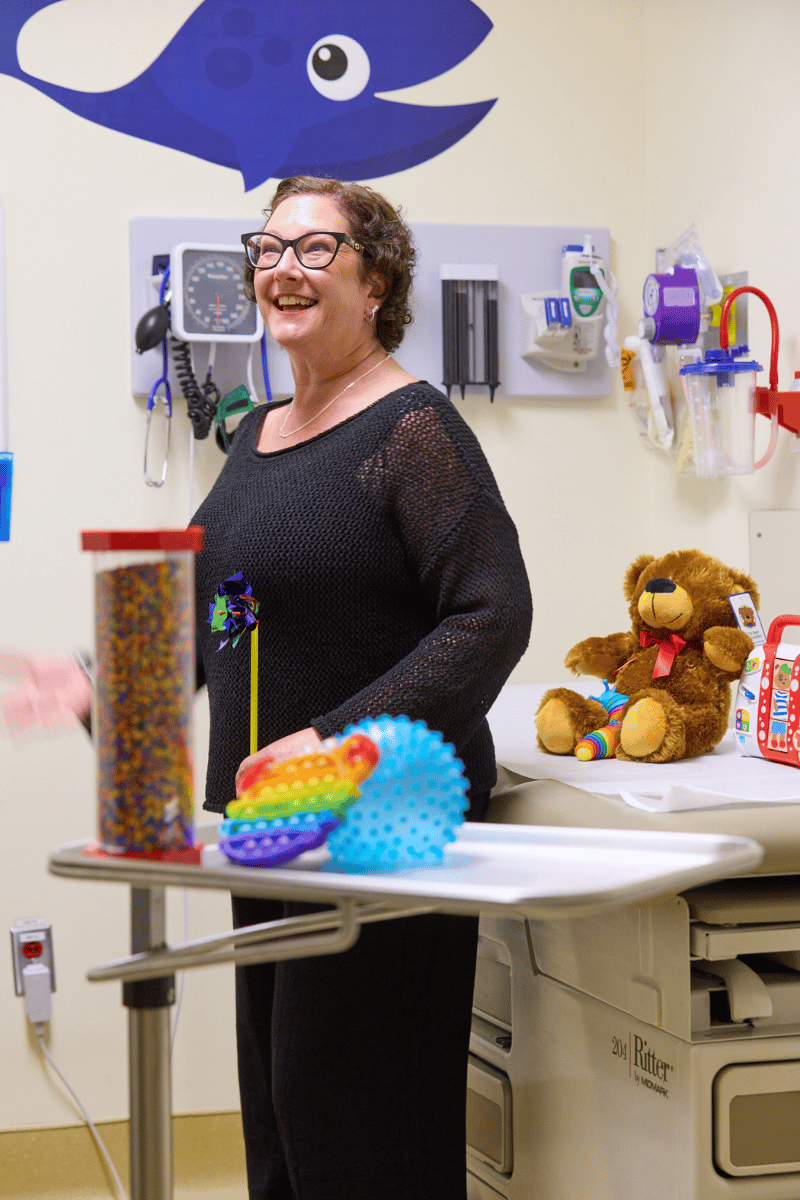
In her 29-year career as a Child Life Specialist at MSH, Julie has supported countless children and their families as they navigate the stress, uncertainty and emotions that come with illness, medical procedures and treatment. So, when it came time to tell her own two teenagers, Avery and Cooper, that she had cancer, she and her husband, Adam, drew on that same Child Life approach.

“We’ve always been very open and honest with our kids,” she says. “They had lots of questions, and we made sure they felt included and supported throughout my breast cancer journey.”

Transparency is sometimes the best source of comfort for family members, says Julie, which is why her husband and kids were with her each time she rang the bell at MSH’s The Shakir Rehmatullah Cancer Centre to celebrate the end of a treatment stage. Her kids also accompanied her to clinic appointments so they could see everything firsthand and meet the team caring for their mom.
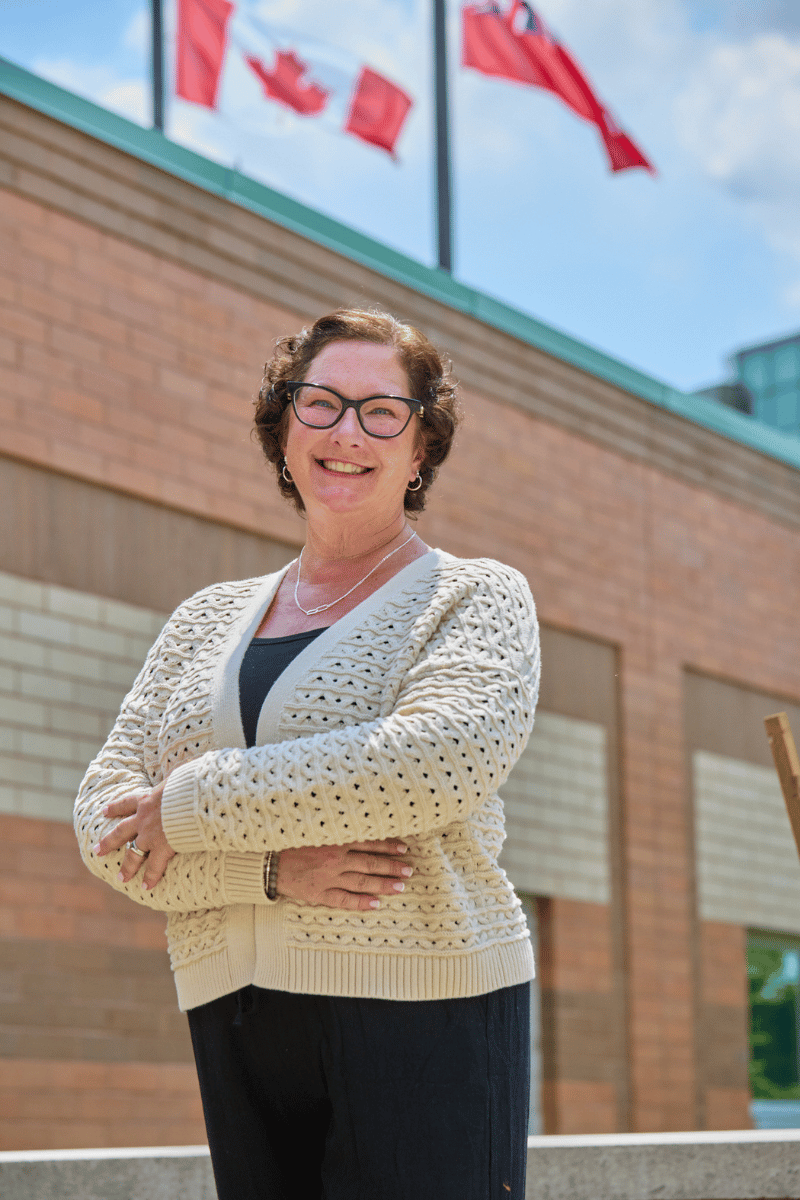
The other side of the bed

Going from practitioner to patient was surreal for Julie. However, from the moment of her diagnosis, she says she felt seen by her care team. Although they were friends and colleagues, they recognized her needs as a person.

“I was a health care professional, and I was also navigating fear, uncertainty and the challenges that come with breast cancer,” Julie says. “Their compassion, expertise and unwavering support reminded me why I have always been proud to work at MSH.”

Whether it was the volunteers who offered her warm blankets and snacks during treatments at the chemotherapy clinic, members of the wellness committee sending her messages to see if she needed anything or the presence of the hospital support dog, Max, Julie felt cared for at every step of the process.

Last year, the MSH Cancer Centre saw close to 500 new breast cancer cases and completed 7,656 chemotherapy sessions. Thanks to the generous support of the community, the centre is now being renovated, with three new chemotherapy chairs added to accommodate increasing patient volumes. That support also helped fund more advanced equipment for diagnostic imaging, like the MRI breast coil and an automated breast ultrasound, to aid with earlier breast cancer detection.

As she returns to work at the hospital this fall, Julie reflects on the new perspective she’s bringing to her role, thanks to her experience as a patient. She also underscores the importance of going for these cancer screenings as soon as you’re eligible.

“Knowledge is power,” she says. “If they find something, you can figure out what’s next. If everything is fine, now you have peace of mind.”

‍

Nuestras historias

Historias de atención y compasión y el poder de tu ayuda.
A second chance at life for Mikk Jogi
How to save a life
Un cuidado que marca a generaciones
Afrontar un diagnóstico de cáncer de mama con el apoyo de la comunidad a su lado
Un lugar para recuperarse y un lugar al que llamar hogar
Toda una vida dedicada a la atención compasiva
Entrevista con la Dra. Melissa Lui
Una noche de miedo, toda una vida de gratitud
El don del tiempo, el talento y los bienes materiales
Una noche de miedo, toda una vida de gratitud
Encontrar el camino de vuelta
Codo con codo en la UCIN del MSH
Un viaje marcado por la fortaleza
Valentía en su esquina
Cómo la previsión de un médico salvó la vida de Steven Fenster
En atención de confianza
La promesa de una hija
A un latido de casa
Conversación con la Dra. Jennifer Li, cirujana general de MSH
Confiar en sus instintos
Vencer a los pronósticos
El cáncer refuerza el vínculo entre madre e hijo
Retribuir con creces
Cuidados vitales
De sobrevivir a prosperar
Todo en familia
La lucha de Donna contra el cáncer
Un asunto de familia
Compasión en acción
Cuidados que salvan vidas
Apoyar a las familias del mañana
Cerca de casa
Más allá de su práctica
Esperanza en medio del diagnóstico
Diecinueve años de donaciones y voluntariado
Supervivencia y gratitud
Resiliencia ante la adversidad
La familia Morris: Definir su legado
Encontrar un lugar seguro a través de la terapia en MSH
Toda una vida de bondad
Consuelo y esperanza en MSH
Iluminando el camino hacia un tratamiento más eficaz
Temporada de dar, temporada de cuidar
Una buena noticia
Asistencia de vanguardia
En el centro de la asistencia
Lazos familiares
Un dúo dinámico
El camino de vuelta a la salud